Stories, insights, and culture from the world of Japanese language and Japan.
In most countries, a convenience store is a last resort. In Japan, it is a destination. The konbini is one of the most quietly impressive things about daily life there — and it says a lot about Japanese culture.
For Japanese learners visiting Japan, the konbini is an ideal low-stakes practice environment. You'll encounter polite set phrases at the counter, read product labels, and navigate a real transaction — all in a space that is deliberately calm and unhurried
At any 7-Eleven, FamilyMart, or Lawson in Japan you can pay your bills, withdraw cash, print documents, send packages, buy fresh onigiri made that morning, pick up concert tickets, and get a hot meal at 3am. The quality is consistently high. The food — particularly the egg salad sandwiches and nikuman pork buns — has genuine fans worldwide.
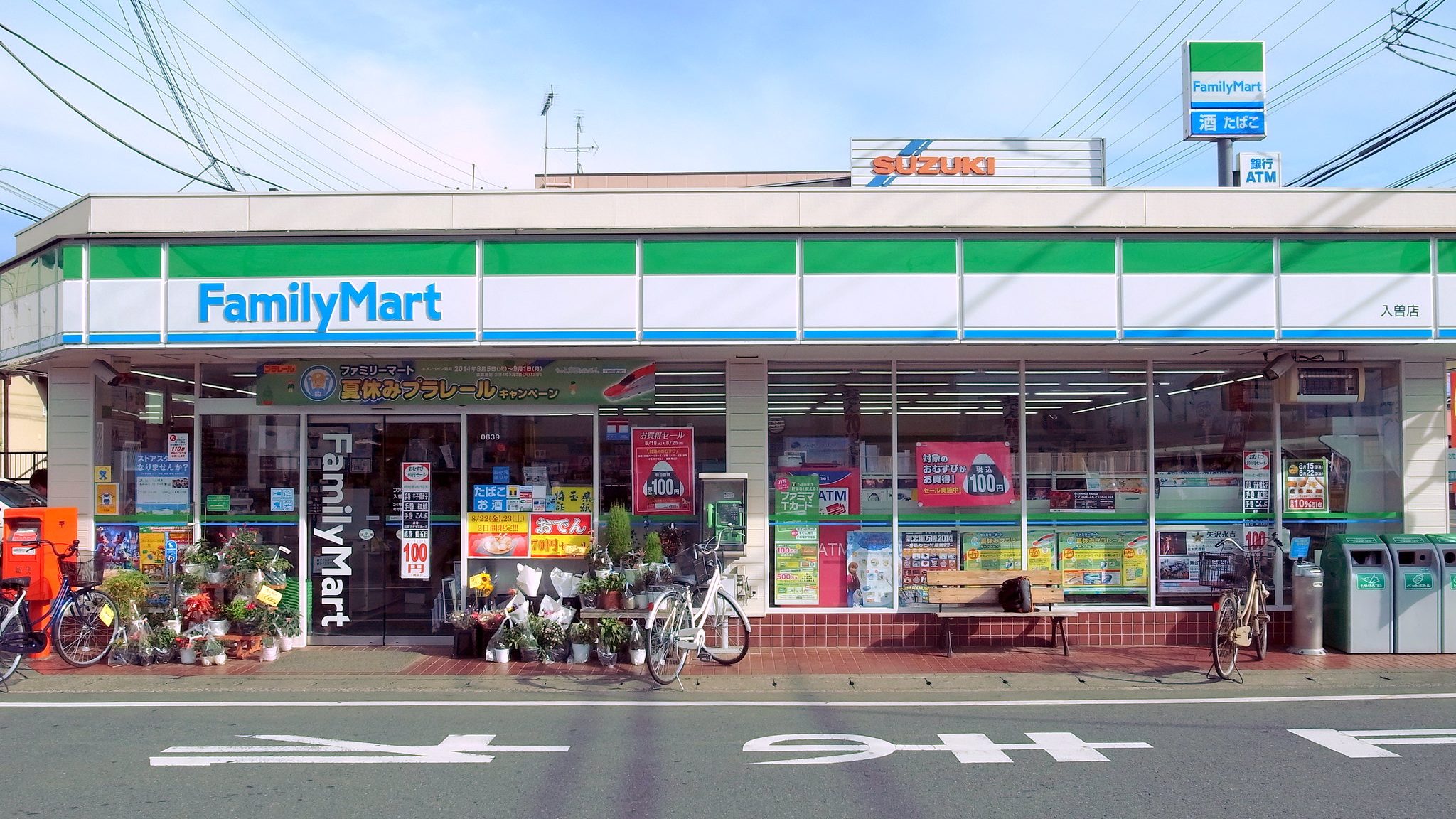
Japan's convenience store culture reflects broader values: reliability, attention to detail, and a deep respect for the customer's time. Staff are trained rigorously. Products are rotated to match the season. Even the packaging is designed with care. Nothing about a Japanese konbini is accidental.